
Lawsuit Loans in Columbus, Ohio
Get Cash While Your Case SettlesWhen an injury claim is pending, bills often arrive before the settlement.
For Columbus residents navigating a personal injury case, an Ohio lawsuit loan can provide temporary funding to help cover essentials while the legal process continues.
This support gives Columbus plaintiffs more flexibility to pursue fair compensation without feeling pressured to accept an early, undervalued offer.
- Repay $0 If You Lose
- Get Cash In 48 Hours
- Lowest Rate
- Repay $0 If You Lose
- No Credit Check
- 24hr Funding


What a Tribeca Lawsuit Loan in Columbus Can Help You With
Settlement funding offers flexible support that can be used for key expenses while your case is still unresolved.
Covering Living Expenses
Lawsuit funding in Columbus may help with rent or mortgage payments, utilities, groceries, transportation, childcare, and other day-to-day needs. If injuries keep you from working, funding can help you stay afloat until your case reaches a resolution.
Addressing Medical Bills
Pre-settlement funding can be used for treatment costs such as hospital care, therapy, prescriptions, surgery, and follow-up visits. Medical expenses often continue during recovery, even while your claim is still moving through the system.
Managing Financial Obligations
Legal funding may help you keep up with credit cards, car payments, existing loans, and other recurring bills. Staying current can reduce added stress and help avoid financial setbacks while your case is pending.
Gaining Strategic Legal Advantage
Access to funding can reduce the pressure to accept a quick settlement that doesn’t match your damages. With basic expenses covered, your attorney can negotiate from a steadier position.

How to Apply for a Lawsuit Loan in Columbus
Tribeca’s process is designed to be straightforward and move quickly, so you can access support without unnecessary steps.
-
1
Fill Out an Application
Submit a short application with basic information about your case. No credit check, income verification, or employment review is required.
-
2
Review Your Case
Tribeca evaluates your claim under Ohio legal funding guidelines for Columbus cases. We may coordinate with your attorney to confirm key details such as liability, injury documentation, and expected settlement value.
-
3
Get Approved & Funded
If approved, funds are commonly issued within 24 hours. You can use the money for medical costs, living expenses, or other urgent financial needs.
Do You Qualify for a Lawsuit Loan in Columbus?
Eligibility is based on your case details, not your credit score or personal financial background.
Pending Personal Injury Case
You must have an active personal injury claim in Columbus or elsewhere in Ohio. Because funding is tied to a future recovery, your case must be open and supported by documented injuries.
Professional Legal Representation
A licensed attorney must represent you. Attorney involvement helps verify case information and supports an efficient review process.
Strong Case Merit
Cases with clearer fault, documented damages, and a realistic path to settlement are more likely to qualify. Strong evidence and consistent medical documentation can improve approval chances.
Transparent Case Information
Providing accurate, complete information about your injuries, treatment, and case status is essential. Clear details help ensure any funding decision is appropriate for your situation.
Supporting Documentation
Medical records, accident reports, witness statements, and legal filings help establish liability and damages. Well-documented claims may qualify more easily and may support higher funding amounts.
Defendant’s Financial Capacity
The defendant or their insurer must be able to pay a settlement or judgment. Cases involving insured or financially stable parties are typically stronger candidates for funding.
Apply Today
"*" indicates required fields
Preventing Premature Settlements in Columbus
Financial pressure can push plaintiffs into accepting early offers that don’t reflect the full value of a claim. Insurers often use timing and urgency to encourage quick settlements that close the case for less.
Creating Financial Stability
Pre-settlement funding helps cover essentials so you’re not forced to settle simply to pay immediate bills. With more breathing room, your attorney can continue negotiating for appropriate compensation.
Understanding Non-Recourse Protection
Tribeca’s funding is non-recourse, meaning repayment only occurs if your case results in compensation. If there is no recovery, you owe nothing.
Improving Negotiating Power
When basic expenses are managed, insurers lose a common source of leverage. Your attorney can negotiate more effectively or prepare for trial without rushed decision-making.
Get Lawsuit Funding in These States
Legal Landscape in Columbus That Affects Funding
Columbus follows Ohio personal injury rules and procedures, which can influence timelines, negotiations, and the evaluation of pre-settlement funding.
| Average Funding Per Case in Columbus | Tribeca can provide anywhere from $500 to $2 million in funding tailored to your case specifics |
| Fault Laws in Columbus | Ohio follows a modified comparative negligence system that allows injured parties to recover damages as long as they are not more than 50% at fault |
| Statute of Limitations in Columbus | Ohio imposes a two-year statute of limitations for most personal injury lawsuits from the date. |
| Minimum Auto Insurance & UIM Policy Limits in Columbus | Bodily Injury Liability: $25,000 per person Bodily Injury Liability: $50,000 per incident Property Damage Liability: $25,000 per incident |
| Restrictions or Limitations | Workers’ compensation cases face specific regulatory constraints that may limit funding availability or amounts. |
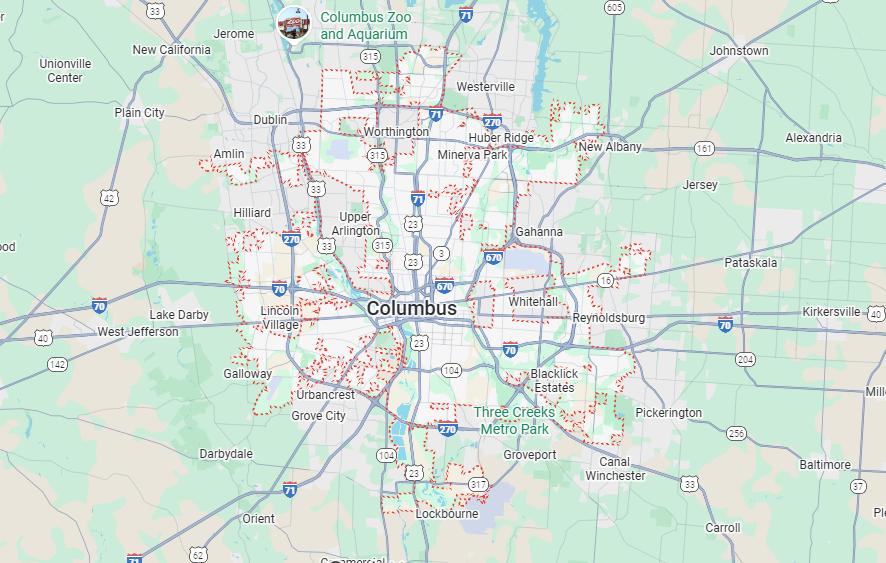
Lawsuit Funding Availability in Ohio (OH)
Tribeca offers legal funding statewide, including the following cities and towns near you:






Benefits of Choosing Tribeca Lawsuit Loans in Columbus
Tribeca delivers Columbus plaintiffs a transparent, risk-free approach to pre-settlement funding that addresses the distinct challenges faced during personal injury litigation.
- Case-based approval: Decisions focus on the claim, not your credit score, income, or employment status.
- Fast turnaround: Reviews are often completed within 24 hours once case details are confirmed.
- Non-recourse protection: Repayment only occurs if you recover compensation through settlement or judgment.
- Attorney coordination: We work with your lawyer to verify information and keep the process organized.
- Transparent costs and higher limits: Simple interest keeps pricing clearer, with funding up to $2 million depending on case value.
Can Columbus Plaintiffs Use Their Lawsuit Loan Proceeds for Personal Expenses?
Yes. Columbus plaintiffs can use their lawsuit loan proceeds for personal expenses, including rent, utilities, groceries, medical bills, and other costs, as long as doing so does not conflict with their attorney’s guidance or case strategy.
Ohio does not prohibit using pre-settlement funds for personal needs, and funding agreements typically do not restrict how the plaintiff spends proceeds. The key requirement is that the case has viable liability and documented damages; how the funds are applied afterward is up to the borrower within the terms of the contract.
Frequently Asked Questions About Lawsuit Loans in Columbus
How fast can I receive funding in Columbus?
Many approved applicants receive funding within 24 hours after final approval. The exact timing depends on how quickly your attorney can confirm key case details and complete required paperwork. Once verification is complete and documents are signed, funds are typically issued promptly to cover immediate expenses.
Does my credit score matter?
No, your credit score is not used to approve or deny lawsuit funding in Columbus. Tribeca bases its decisions on the strength of your case, including liability, documented injuries, and expected settlement value. Income, employment status, and personal financial history are not part of the approval criteria.
What happens if I lose my case?
If your case does not result in a settlement or recovery, you owe nothing. Tribeca’s funding is non-recourse, so repayment only occurs if you successfully recover compensation. If your lawsuit is dismissed, lost, or produces no recovery, there is no repayment obligation or personal liability.
Is this a loan or an advance?
This is generally a non-recourse cash advance against a potential settlement rather than a traditional loan. Traditional loans require repayment regardless of the outcome. With non-recourse funding, repayment only occurs if your claim results in compensation.
Can I request additional funding later?
Yes, additional funding may be available if your case progresses or your financial needs change. Tribeca will review updated case information, settlement expectations, and remaining value in your claim. If appropriate, we may approve a supplemental advance based on the updated assessment.
How does repayment work?
Repayment is made from your settlement proceeds after your case is successfully concluded. Your attorney deducts the amount owed to Tribeca, including the original advance and any agreed interest or fees, then distributes the remaining funds to you. You do not make monthly payments or pay out of pocket.
Does this impact my relationship with my attorney?
No, lawsuit funding does not change your attorney-client relationship or affect legal strategy. Your lawyer remains responsible for negotiations, settlement decisions, and case direction. Tribeca’s role is limited to confirming case information with your attorney and arranging repayment if you recover compensation.
Are all injuries eligible for funding in Columbus?
Not every case qualifies. Approval depends on factors such as liability clarity, injury documentation, insurance coverage, and expected settlement value. Cases with clear fault, strong evidence, and medically documented damages are more likely to be approved. Some claims may not meet the criteria due to disputed liability or limited recovery potential.
Get Started Today
For injury victims looking for pre-settlement loans for class action, motor vehicle accidents, medical malpractice, and other personal injury cases, fill out this form for a free consultation and quote. Get cash as soon as 24 hours of approval."*" indicates required fields