
Lawsuit Loans in Scranton, Pennsylvania
Get Cash While Your Case SettlesA pending personal injury lawsuit can leave Scranton residents waiting a year or longer for a settlement while medical bills and everyday costs keep piling up. Lawsuit loans in Pennsylvania through Tribeca offer a non-recourse advance against that pending claim, so plaintiffs can stay financially steady while their attorney fights for full compensation.
- Repay $0 If You Lose
- Get Cash In 48 Hours
- Lowest Rate
- Repay $0 If You Lose
- No Credit Check
- 24hr Funding


What a Tribeca Lawsuit Loan in Scranton Can Help You With
A drawn-out settlement timeline doesn’t come with a pause on expenses. A Tribeca lawsuit loan gives Scranton plaintiffs a practical way to keep up with obligations while their case makes its way through the legal system.
Rent, Mortgage, and Household Bills
Housing costs and utility payments continue regardless of where a case stands. Funding helps Scranton residents stay current on these essentials instead of falling into arrears while waiting on a resolution.
Medical Treatment and Recovery Costs
Follow-up care, specialist visits, and physical therapy can be costly and ongoing. Access to funds allows plaintiffs to continue necessary treatment without delaying care due to lack of cash on hand.
Keeping Debt from Piling Up
Auto loans, credit cards, and other recurring bills don’t go away during litigation. Funding gives plaintiffs a way to stay on top of these obligations rather than accumulating penalties or damaged credit.
A Stronger Position at the Table
Financial stability shifts the balance of power in negotiations. When day-to-day pressure eases, Scranton plaintiffs and their attorneys have more room to wait for an offer that actually reflects the case’s value.
How to Apply for a Lawsuit Loan in Scranton, PA
Getting funded shouldn’t mean weeks of paperwork or waiting on hold. Tribeca built a straightforward three-step process for Scranton plaintiffs, with terms structured to hold up under Pennsylvania’s evolving legal funding landscape.
-
1
Fill Out an Application
Just fill out the form and provide your case details. No credit check is required, which means you can apply without worrying about your credit history.
-
2
Review Your Case
Tribeca reviews your case in coordination with your attorney to confirm it meets funding criteria. Keeping your legal counsel involved throughout the process ensures the review reflects where your case actually stands.
-
3
Get Approved & Funded
Once approved, we’ll send over your pre-settlement funding within 24 hours to cover medical bills, legal fees, or other essential costs without delay.
Do You Qualify for a Lawsuit Loan in Scranton, PA?
Qualifying comes down to the facts of your case rather than your financial background. Here’s what Tribeca reviews for Scranton applicants.
An Active Personal Injury Case
You need a lawsuit currently underway, since this funding is an advance against an anticipated settlement, not a standalone loan product.
Attorney Representation
A licensed attorney must be handling your claim. Tribeca works directly with your legal counsel to confirm the case is moving forward.
Supporting Evidence and Case Strength
Claims backed by solid documentation (medical records, police reports, and clear liability) tend to move through review more smoothly.
Credit and Income Aren’t a Factor
Your credit score, job status, and income history carry no weight in the decision. Approval is based on the merits of your pending case alone.
Apply Today
"*" indicates required fields
Avoiding Premature Settlements in Scranton
Insurers frequently count on financial pressure to push plaintiffs toward a fast, undervalued offer. Funding takes that pressure off the table, giving plaintiffs room to hold out for what the case is actually worth.
The Cost of Settling Out of Necessity
Early settlement offers are frequently priced around how badly a plaintiff needs immediate cash, not around what the case is actually worth. For Scranton plaintiffs facing mounting bills, that pressure can make an undervalued offer look like the only realistic path forward.
Financial Breathing Room Supports Patience
When bills are covered, Scranton plaintiffs aren’t forced into a hasty decision. That patience often gives attorneys the time they need to negotiate a stronger outcome.
Non-Recourse Structure Removes the Risk
Since Tribeca’s funding is non-recourse, there’s no repayment owed if the case doesn’t succeed. That protection makes it easier for plaintiffs to reject a lowball offer without added financial exposure.
Lawsuit Funding Availability in Pennsylvania (PA)
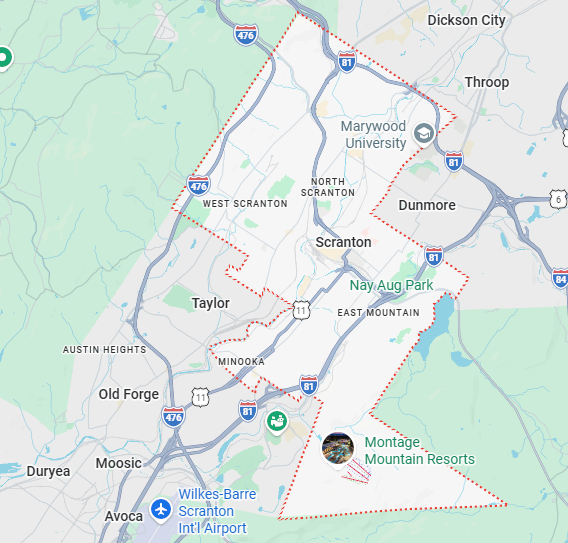
Tribeca offers legal funding statewide, including the following cities and towns near you:Legal Landscape in Scranton That Affects Funding
Pennsylvania’s rules on fault, filing deadlines, and insurance coverage all shape how much a claim is worth and how quickly it can move, which is exactly why Scranton plaintiffs benefit from knowing them upfront.
| Funding Amount Per Case in PA | $500 to $2 million |
| Fault Laws in PA | Modified Comparative Negligence, where the amount you get is based on your percentage of fault unless found to be 51% or more at fault, which bars you from receiving compensation. |
| Statute of Limitations in PA | Maximum of 2 years after the incident |
| Minimum UIM Auto Insurance Limits in PA | $15,000 per person
$30,000 per accident $5,000 for property damage |
Get Lawsuit Funding in These States
Types of Cases We Fund in Scranton, PA
Personal injury cases come in many forms, and Tribeca funds a broad range of them for Scranton residents. Here's a quick rundown of the case types we see most often. Medical Malpractice
 Vehicular Accidents
 Wrongful Death
 Workers' Compensation
 Premises Liability
 Slip and Fall
Benefits of Choosing Tribeca Lawsuit Loans in Scranton, PA
Scranton residents in the middle of a personal injury case deserve a funder that’s upfront about terms, quick to act, and structured so the risk never lands back on them. That’s the standard Tribeca holds itself to on every application.
- Same-day case reviews that lead to funding within 24 hours of approval
- No credit check because your case merits are what count, not your financial past
- True non-recourse terms mean if your case doesn’t pan out, you owe nothing
- Zero upfront costs to apply or find out where you stand
- No restrictions on how funds are used, from rent to recovery expenses
Will My Scranton Case Filed in Lackawanna County Court of Common Pleas Qualify for Funding?
Yes. Most Scranton personal injury lawsuits are filed in the Lackawanna County Court of Common Pleas at 200 N. Washington Avenue, and venue alone doesn’t affect funding eligibility. Tribeca reviews the case itself (liability, documentation, and attorney involvement) regardless of which Pennsylvania courthouse is handling the filing.
Frequently Asked Questions About Lawsuit Loans in Scranton, PA
How fast can I receive funding in Scranton?
Once your attorney submits the necessary case documents, most approved applicants receive funding within 24 hours. Tribeca moves quickly to avoid unnecessary delays.
Does my credit score matter?
No. Tribeca doesn’t run a credit check or factor in your financial history. Approval depends entirely on the strength of your pending case.
What happens if I lose my case?
Because Tribeca’s funding is non-recourse, you owe nothing back if your case doesn’t result in a settlement or award. The risk stays with Tribeca.
Is this a loan or an advance?
It’s a non-recourse cash advance against your anticipated settlement, not a traditional loan. Repayment only comes from case proceeds, and only if you win.
Can I request additional funding later?
Yes. If your case is still pending and your needs change, Scranton plaintiffs can apply for additional funding, subject to another case review.
How does repayment work?
Repayment happens automatically once your case resolves, typically coordinated through your attorney so you don’t have to manage the process yourself.
Does this impact my relationship with my attorney?
No. Tribeca works alongside your attorney rather than replacing their role, and your attorney retains full control over legal strategy and settlement decisions.
Are all injuries eligible for funding in Scranton?
Not automatically. Eligibility depends on factors like liability clarity, supporting documentation, and active legal representation, so each Scranton case is reviewed on its own merits.
Get Started Today
For injury victims looking for pre-settlement loans for class action, motor vehicle accidents, medical malpractice, and other personal injury cases, fill out this form for a free consultation and quote. Get cash as soon as 24 hours of approval."*" indicates required fields