
Lawsuit Loans in Old Bridge, New Jersey
Get Cash While Your Case SettlesA personal injury case in Old Bridge can drag on for months while medical bills and everyday costs keep piling up. Lawsuit loans give Old Bridge residents a way to cover pressing expenses without waiting on a slow-moving settlement.
New Jersey lawsuit loans provide funding based on case value instead of credit score. Tribeca's non-recourse funding lets Old Bridge plaintiffs focus on recovery instead of rent and bills.
- Repay $0 If You Lose
- Get Cash In 48 Hours
- Lowest Rate
- Repay $0 If You Lose
- No Credit Check
- 24hr Funding


What a Tribeca Lawsuit Loan in Old Bridge Can Help You With
Pre-settlement funding from Tribeca is designed to plug the financial gaps that open up while a case works its way through the courts. There is no restriction on how the money gets used, which matters most when bills do not wait for a verdict.
Housing and Daily Living Costs
Rent along Route 9 or a mortgage payment near Laurence Harbor does not pause because a case is pending. A lawsuit loan can cover housing, groceries, and utility bills so an injured plaintiff is not choosing between staying current on bills and staying in treatment.
Medical Bills and Ongoing Treatment
Physical therapy, specialist visits, and follow-up care add up fast after an accident. Funding can go toward medical bills and continued treatment while a claim moves through negotiation or litigation.
Debt and Financial Obligations
Missed payments and mounting interest can compound the stress of an active lawsuit. Settlement loan funds can be applied toward existing debt so a plaintiff is not accumulating new financial damage on top of an injury.
Strategic Legal Advantage
Cash reserves change the calculus of a negotiation. A funded plaintiff can afford to wait for a fair offer instead of settling out of financial necessity.
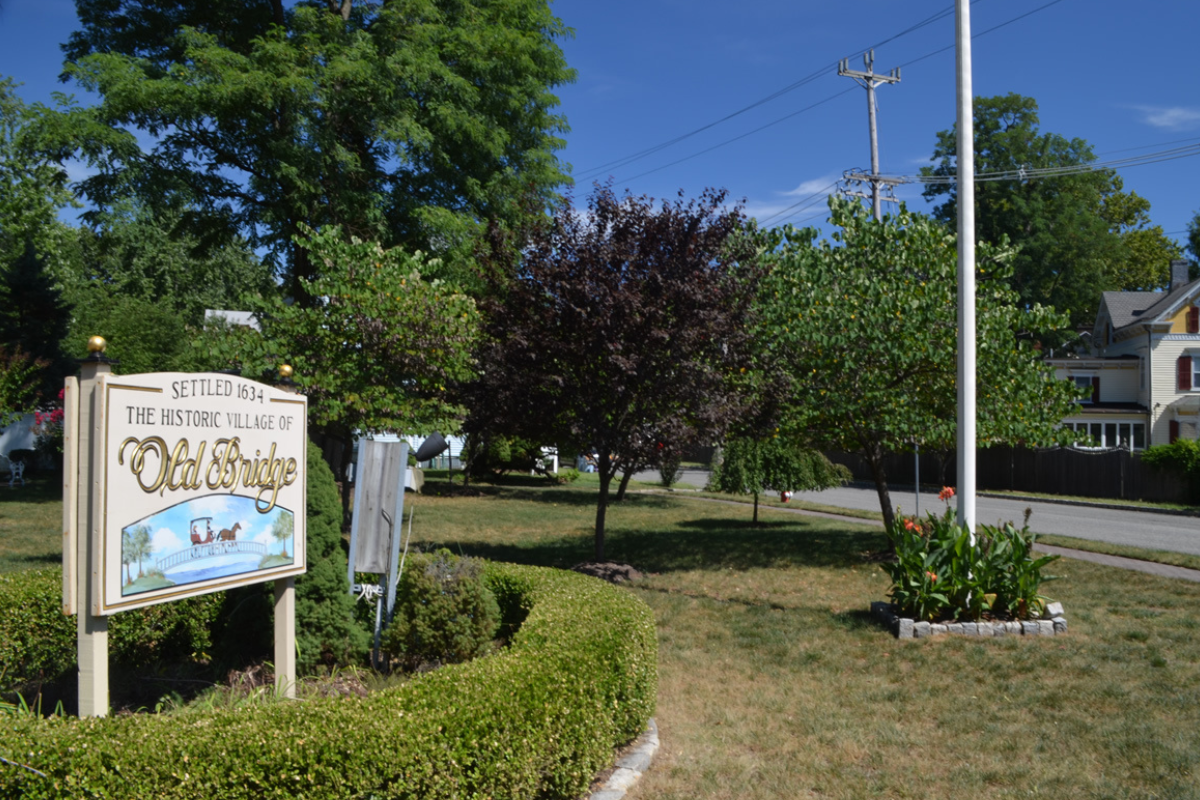
How to Apply for a Lawsuit Loan in Old Bridge
The process of applying for legal funding through Tribeca is simple and fast. Our process is designed to help you get the support you need quickly while ensuring compliance with Old Bridge’s specific regulations.
-
1
Fill Out an Application
Just fill out the form and provide your case details. No credit check is required, which means you can apply without worrying about your credit history.
-
2
Review Your Case
Tribeca reviews each application to confirm the case aligns with New Jersey law and standard litigation practice. New Jersey does not require funding companies to notify the plaintiff’s attorney directly, but Tribeca routinely coordinates with legal counsel to keep the case details accurate and the funding amount appropriate.
-
3
Get Approved & Funded
Once approved, we’ll send your pre-settlement funding within 24 hours to cover medical bills, legal fees, or other essential costs.
Do You Qualify for a Lawsuit Loan in Old Bridge?
Qualification comes down to the strength of your case, not your finances.
An Active, Well-Supported Case
Tribeca requires an active personal injury lawsuit with attorney representation before approving a lawsuit loan. Tribeca funds against the anticipated settlement, so representation and an open case file are the starting point.
A Viable Claim Backed by Evidence
Tribeca funds cases supported by medical records, incident documentation, and clear proof of liability. Honest, complete details during the application help Tribeca evaluate the case accurately.
No Credit or Income Requirements
There is no credit check, employment verification, or income history review. Approval and amount depend entirely on the projected value of the case.
Apply Today
"*" indicates required fields
Avoiding Premature Settlements in Old Bridge
Financial strain is one of the biggest reasons injury victims accept a lowball offer just to make it stop.
Financial Breathing Room
A lawsuit loan gives a plaintiff room to say no to the first offer and wait for a number that actually reflects the injury. That breathing room often translates directly into a stronger final settlement.
Non-Recourse Means No Added Risk
Because Tribeca’s funding is non-recourse, there is no repayment owed if the case does not result in a win. That removes the downside that pressures so many plaintiffs into premature settlements.
Lawsuit Funding Availability in New Jersy (NJ)
Tribeca offers legal funding statewide, including the following cities and towns near you:Legal Landscape in Old Bridge That Affects Funding
New Jersey’s legal framework shapes how funding decisions get made in every Old Bridge case.
Fault Laws
New Jersey follows a modified comparative negligence rule. A plaintiff found 51% or more at fault cannot recover damages, and any recovery is reduced by the plaintiff’s own percentage of fault, which directly shapes how much funding a case can support.
Statute of Limitations
Most personal injury lawsuits in New Jersey must be filed within two years of the injury. A case approaching that deadline without a filed claim generally is not a strong candidate for pre-settlement funding.
Insurance Minimums
New Jersey’s standard auto policy requires liability coverage of at least $35,000 per person and $70,000 per accident, plus $15,000 in personal injury protection. Low available coverage can limit how much a case is ultimately worth, which affects the funding amount Tribeca can offer.
Restrictions or Limitations
Cases with unclear liability or very early-stage claims are harder to fund. Tribeca evaluates each application individually rather than applying a blanket rule to any single case type.
Get Lawsuit Funding in These States
Types of Cases We Fund in Old Bridge
Tribeca funds a wide range of personal injury and civil claims. Auto Accidents
Tribeca funds auto accident lawsuits arising from collisions in Old Bridge, including crashes on Route 9, Route 18, and the Turnpike near Exit 9.
Auto Accidents
Tribeca funds auto accident lawsuits arising from collisions in Old Bridge, including crashes on Route 9, Route 18, and the Turnpike near Exit 9.
 Slip and Fall Injuries
Tribeca funds slip and fall lawsuits stemming from falls at retail centers or poorly maintained property in Old Bridge.
Slip and Fall Injuries
Tribeca funds slip and fall lawsuits stemming from falls at retail centers or poorly maintained property in Old Bridge.
 Workers' Compensation Cases
Tribeca funds workers' compensation cases involving lost wages and medical costs.
Workers' Compensation Cases
Tribeca funds workers' compensation cases involving lost wages and medical costs.
 Medical Malpractice
Cases involving substandard medical care fall within Tribeca's funding scope.
Medical Malpractice
Cases involving substandard medical care fall within Tribeca's funding scope.
 Wrongful Death
Families pursuing a wrongful death claim can apply for funding to cover costs during litigation.
Wrongful Death
Families pursuing a wrongful death claim can apply for funding to cover costs during litigation.
 Product Liability
Injuries caused by defective products are eligible case types.
Product Liability
Injuries caused by defective products are eligible case types.
 Premises Liability
Unsafe conditions on residential or commercial property can support a funded claim.
Premises Liability
Unsafe conditions on residential or commercial property can support a funded claim.
Benefits of Choosing Tribeca Lawsuit Loans in Old Bridge
Tribeca built its funding process around speed and simplicity, without the pressure of a traditional loan.
- Funding decisions are based on case strength, not credit history or income
- Non-recourse structure means nothing is owed if the case does not succeed
- Approved funds typically arrive within 24 hours
- Tribeca places no restrictions on how lawsuit loan funds are used.
- Tribeca’s application process requires no repeated paperwork once a case is approved.
Does New Jersey’s Limitation on Lawsuit Threshold Affect My Car Accident Loan Application in Old Bridge?
Yes. Many New Jersey auto policies include a limitation on lawsuit threshold, which restricts pain and suffering claims unless the injury meets specific severity criteria, such as permanent injury or significant scarring.
Tribeca reviews whether an Old Bridge applicant’s policy carries this threshold and whether the injury qualifies, since it directly affects case value and, in turn, the funding amount available.
Frequently Asked Questions About Lawsuit Loans in Old Bridge
How fast can I receive funding in Old Bridge?
Approved applicants typically receive their pre-settlement funding within 24 hours, giving Old Bridge plaintiffs quick access to money for medical bills, rent, or other pressing costs while their personal injury case is still active.
Does my credit score matter?
Tribeca does not run a credit check or consider credit score in the approval process, since funding decisions are based on the strength and expected value of the underlying lawsuit rather than personal finances.
What happens if I lose my case?
Tribeca’s lawsuit loans are non-recourse, so a plaintiff who loses their case owes nothing back, and the risk of an unsuccessful outcome is absorbed entirely by Tribeca rather than the applicant.
Is this a loan or a cash advance?
Tribeca’s product is legally structured as a non-recourse cash advance against an anticipated settlement, not a traditional loan, which is why repayment only comes due if the case results in compensation.
Can I request additional funding later?
Yes. Tribeca allows plaintiffs with active, sufficiently valuable cases to apply for additional funding as the case progresses.
How does repayment work?
Repayment comes directly out of the settlement or judgment once the case resolves, and the attorney typically handles disbursing Tribeca’s portion alongside the client’s remaining compensation.
Does this impact my relationship with my attorney?
Legal funding does not change attorney-client privilege or case strategy, since Tribeca’s role is limited to reviewing case details for funding purposes while the attorney continues to manage the litigation.
Are all injuries eligible for funding in Old Bridge?
Eligibility depends on case strength and evidence of liability rather than injury type alone, so auto accidents, slip and falls, workers’ compensation claims, and other personal injury cases are each evaluated individually.
Get Started Today
For injury victims looking for pre-settlement loans for class action, motor vehicle accidents, medical malpractice, and other personal injury cases, fill out this form for a free consultation and quote. Get cash as soon as 24 hours of approval."*" indicates required fields