
Lawsuit Loans in Arlington, Texas
Get Cash While Your Case SettlesWhen a personal injury case drags on, financial pressure can mount quickly for Arlington residents.
Texas lawsuit loans give plaintiffs the breathing room they need during demanding litigation. Lawsuit loans provide immediate funding to cover essential expenses while you wait for your settlement, allowing you to focus on recovery and justice rather than mounting bills.
- Repay $0 If You Lose
- Get Cash In 48 Hours
- Lowest Rate
- Repay $0 If You Lose
- No Credit Check
- 24hr Funding

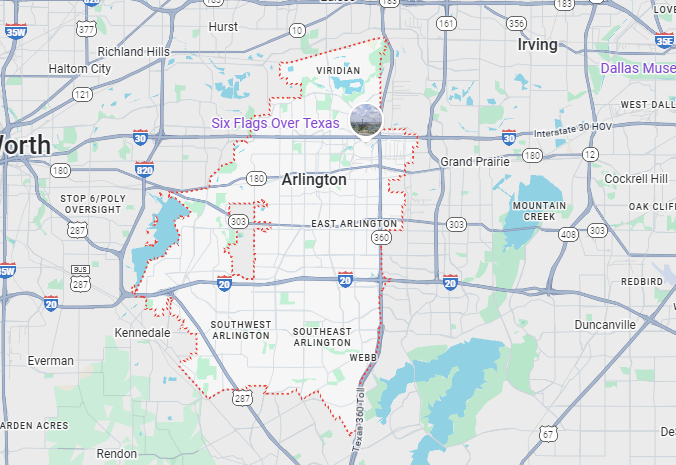
What a Tribeca Lawsuit Loan in Arlington Can Help You With
Arlington lawsuit loans offer flexibility when you need it most. Whether you’re facing immediate bills or long-term financial pressure, pre-settlement funding can bridge the gap until your case resolves.
Covering Daily Living Expenses
Injuries often mean time away from work, which quickly impacts your ability to pay rent, mortgage payments, and utility bills. A settlement loan helps Arlington residents maintain stability while their personal injury case moves forward. You can use the funds for groceries, transportation, childcare, or any other pressing household expense that can’t wait for a settlement.
Managing Medical Costs
Medical bills accumulate fast after an accident, especially when treatment extends over months or years. Lawsuit funding in Arlington covers ongoing medical expenses, physical therapy, prescription medications, and follow-up appointments. This ensures you receive the care you need without compromising your financial security or your case.
Handling Existing Debt
When you’re unable to work due to injury, existing debts don’t pause. Credit card payments, car loans, and other obligations continue regardless of your litigation timeline. Legal funding helps you stay current on these commitments, protecting your credit and reducing stress while you pursue fair compensation.
Gaining Strategic Legal Advantage
Perhaps most importantly, pre-settlement funding removes the pressure to settle early. When you’re not desperate for money, your attorney can negotiate from a position of strength. This often results in significantly higher settlement amounts that properly reflect your damages and losses.

How to Apply for a Lawsuit Loan in Arlington
The process of applying for legal funding through Tribeca is simple and fast. Our process is designed to help you get the support you need quickly while ensuring compliance with Arlington’s specific regulations.
-
1
Fill Out an Application
Just fill out the form and provide your case details. No credit check is required, which means you can apply without worrying about your credit history.
-
2
Review Your Case
Tribeca will review your case to ensure everything aligns with Texas state laws. In Texas, lawsuit funding companies are not required to notify your attorney before providing funding, though we maintain transparent communication with legal counsel as a best practice. Our team evaluates the merits of your personal injury case and the likelihood of a successful outcome to determine approval.
-
3
Get Approved & Funded
Once approved, we’ll send over your pre-settlement funding within 24 hours to cover medical bills, legal fees, or other essential costs without delay.
Do You Qualify for a Lawsuit Loan in Arlington?
Not every case qualifies for litigation funding, but the requirements are straightforward. Understanding these criteria helps you determine whether pre-settlement funding is right for your situation.
Active Personal Injury Lawsuit
You must have a pending legal case already filed or about to be filed. Lawsuit loans are advances against your anticipated settlement, so there needs to be an active claim against another party. Cases that have already settled or been dismissed don’t qualify for funding.
Legal Representation by an Attorney
A qualified attorney must represent you throughout your case. Lenders need to work with your legal counsel to verify case details and coordinate repayment from your settlement. Self-represented plaintiffs typically don’t qualify for lawsuit funding in Arlington.
Strong Case with Clear Liability
Your case needs a reasonable likelihood of success backed by solid evidence. This means clear proof that another party caused your injury through negligence or intentional action. Medical records, accident reports, witness statements, and other documentation strengthen your application.
No Requirements for Credit Score or Employment
Unlike traditional loans, your financial status doesn’t matter. Lawsuit funding companies don’t check your credit score, income history, or proof of employment. The only thing that matters is the strength of your case and the potential settlement amount.
Apply Today
"*" indicates required fields
Avoiding Premature Settlements in Arlington
Insurance companies often make low initial offers, hoping you’ll accept out of financial desperation. This tactic works because injured plaintiffs face mounting expenses and can’t afford to wait for fair compensation.
Financial Security Changes Everything
Pre-settlement funding provides the financial cushion needed to reject undervalued offers. When you’re not worried about next month’s rent or overdue medical bills, your attorney can hold out for an offer that truly reflects your damages. This patience often results in settlement amounts that are substantially higher than early proposals.
Non-Recourse Protection
Tribeca’s lawsuit loans are non-recourse, meaning you only repay if you win your case. If your lawsuit is unsuccessful, you keep the money with no obligation to repay it. This structure eliminates the risk of owing money if your case doesn’t result in compensation, making it a safer option than traditional loans during Arlington litigation.
Improved Negotiating Position
When defendants and insurance companies see you’re willing to wait, they understand their initial tactics won’t work. This shifts the power dynamic in your favor. Your legal counsel can focus on building the strongest case possible rather than rushing to settle because of your financial needs.
Get Lawsuit Funding in These States
Legal Landscape in Arlington That Affects Funding
Understanding Texas personal injury laws helps explain how lawsuit funding works in Arlington. State regulations and local legal practices shape the funding process and influence case timelines.
Fault Laws
Texas follows a modified comparative negligence system with a 51% bar rule. If you’re found more than 50% at fault for your injury, you cannot recover damages. If you’re 50% or less at fault, your compensation is reduced by your percentage of fault. This impacts settlement value and funding decisions, as cases with disputed liability may take longer to resolve or result in lower awards.
Statute of Limitations
In Arlington and throughout Texas, you generally have two years from the date of injury to file a personal injury lawsuit. This deadline is critical for funding eligibility because cases must be filed or actively progressing. If your statute of limitations is approaching expiration, it may affect your ability to secure legal funding or the amount you can receive.
Insurance Minimums
Texas requires drivers to carry minimum liability insurance of $30,000 per person for bodily injury, $60,000 per accident for bodily injury, and $25,000 for property damage. These low minimums often mean defendants lack sufficient coverage to pay substantial damages. This can impact case valuation and settlement timelines, particularly in serious injury cases where damages exceed policy limits.
Restrictions or Limitations
While most personal injury cases qualify for lawsuit funding in Arlington, certain case types may be subject to restrictions. Class action lawsuits, family law cases, and criminal matters typically don’t qualify. Additionally, cases against government entities may have different procedural requirements that affect funding availability and timing.
Lawsuit Funding Availability in Texas (TX)
Tribeca offers legal funding statewide, including the following cities and towns near you:Types of Cases We Fund in Arlington
Tribeca provides lawsuit loans for various personal injury cases throughout Arlington. We understand that accidents take many forms, and financial support shouldn't be limited by case type. Auto Accidents
 Slip and Fall Injuries
 Workers' Compensation Cases
 Medical Malpractice
 Wrongful Death
 Product Liability
 Premises Liability
Benefits of Choosing Tribeca Lawsuit Loans in Arlington
Choosing the right lawsuit funding company matters. Tribeca offers distinct advantages that make pre-settlement funding more accessible and affordable for Arlington plaintiffs.
- Speed and simplicity define our process. We understand that when you need funds, delays can add to your stress. Our streamlined application takes minutes to complete, and we deliver approved funding within 24 hours. This rapid turnaround means you can address urgent expenses without waiting weeks for approval.
- No upfront fees or hidden costs. Many lawsuit funding companies charge application fees or processing charges regardless of approval. Tribeca never charges upfront fees, and we’re transparent about our rates from the beginning. You’ll know exactly what you owe before accepting funding.
- Risk-free structure with non-recourse funding. Because our advances are non-recourse, you face zero financial risk if your case doesn’t succeed. Traditional loans require repayment regardless of outcome, but lawsuit loans only require repayment from your settlement proceeds if you win.
- No credit checks or employment verification. Your financial history doesn’t affect your ability to receive funding. We evaluate your case based solely on its legal merits and potential settlement amount, not your credit score or income.
- Flexible funding amounts. Whether you need a few thousand dollars for immediate expenses or substantial funding to sustain you through lengthy litigation, Tribeca can provide up to $2 million in pre-settlement funding based on your case value.
Remove financial pressure to ensure your attorney can pursue the maximum value of your claim. Apply for pre-settlement funding now or contact Tribeca to explore your options.
What are My Options if My Arlington Settlement Falls Short of the Loan Amount?
Because Tribeca’s funding is non-recourse, your personal assets are never at risk. This type of funding is technically a purchase of a portion of your future settlement, meaning the settlement itself is the sole collateral. If your final recovery is lower than expected and cannot cover the full amount of the advance, Tribeca takes the loss.
Frequently Asked Questions About Lawsuit Loans in Arlington
How fast can I receive funding in Arlington?
Once your application is approved, Tribeca typically delivers funds within 24 hours. The approval process depends on how quickly we can review your case details with your attorney, but most applicants receive a decision within 1 to 2 business days. For urgent situations, we prioritize expedited review to get you the financial support you need as quickly as possible.
Does my credit score matter?
No, your credit score has no impact on approval for lawsuit funding in Arlington. Unlike traditional loans, we don’t perform credit checks or consider your financial history. The strength of your personal injury case is the only factor we evaluate when determining eligibility and funding amounts.
What happens if I lose my case?
If your case is unsuccessful and you don’t receive a settlement, you owe nothing. Tribeca absorbs the loss, and you keep the money we provided. This non-recourse structure means you face zero financial risk by accepting pre-settlement funding, making it fundamentally different from traditional loans.
Is this a loan or an advance?
While commonly called lawsuit loans, these are technically non-recourse cash advances against your anticipated settlement. The distinction matters because advances don’t require repayment if you lose, whereas traditional loans must be repaid regardless of the case outcome. The funding comes from your future settlement, not from your personal finances.
Can I request additional funding later?
Yes, many Arlington plaintiffs request additional funding as their case progresses and new expenses arise. If your initial advance doesn’t cover all your needs, or if litigation extends longer than expected, you can apply for supplemental funding. Approval depends on your remaining case value after accounting for existing advances.
How does repayment work?
Repayment happens automatically from your settlement proceeds. When your case resolves, your attorney sends payment directly to Tribeca from the settlement amount. You receive the remaining funds after our advance, fees, and interest are deducted. If your case results in no recovery, no repayment is necessary.
Does this impact my relationship with my attorney?
Lawsuit funding should not negatively affect your attorney relationship. Most attorneys in Arlington are familiar with pre-settlement funding and understand that it helps their clients avoid financial desperation that could force premature settlements. We work cooperatively with legal counsel to verify case details and coordinate repayment, maintaining professional communication throughout the process.
Are all injuries eligible for funding in Arlington?
Most personal injury cases qualify, but certain limitations apply. We handle auto accidents, slip-and-fall cases, medical malpractice, wrongful death, product liability, and workers’ compensation cases. However, class action suits, family law matters, and criminal cases typically don’t qualify. The best way to determine eligibility is to submit an application for case-specific evaluation.
Get Started Today
For injury victims looking for pre-settlement loans for class action, motor vehicle accidents, medical malpractice, and other personal injury cases, fill out this form for a free consultation and quote. Get cash as soon as 24 hours of approval."*" indicates required fields