
Lawsuit Loans in Lewisville, Texas
Get Cash While Your Case SettlesA personal injury case in Lewisville can drag on for months, sometimes years, while your bills keep coming. Texas lawsuit loans give plaintiffs a way to cover pressing expenses without waiting for the court to catch up.
Tribeca Lawsuit Loans provides pre-settlement funding so you can stay financially stable, hold your ground in negotiations, and focus on getting fair compensation instead of scrambling for cash.
- Repay $0 If You Lose
- Get Cash In 48 Hours
- Lowest Rate
- Repay $0 If You Lose
- No Credit Check
- 24hr Funding

What a Tribeca Lawsuit Loan in Lewisville Can Help You With
Pre-settlement funding is flexible. Once you’re approved, you decide how the money gets used. Here’s what most Lewisville plaintiffs put it toward:
Everyday Living Costs
Lawsuits don’t pause your mortgage, rent, or utility bills. If your injury has kept you out of work, those costs pile up fast. A lawsuit loan in Lewisville can fill that gap so you’re not making panic decisions just to keep the lights on.
Medical Expenses and Ongoing Treatment
Injuries from auto accidents, slip-and-fall incidents, or workplace incidents often require treatment that extends well beyond the initial ER visit. Pre-settlement funding helps cover medical bills, follow-up care, physical therapy, and specialist visits while your case is still working through the system.
Debt and Financial Obligations
Many plaintiffs are dealing with debt that existed before the accident, and the income loss from an injury only makes it worse. Legal funding can help you manage existing obligations without defaulting, so you’re not walking into a settlement already financially underwater.
Strategic Legal Positioning
This one gets overlooked. When you’re desperate for cash, you’re more likely to accept the first offer your attorney brings to the table, even if it’s low. Lawsuit loans give you breathing room to wait for a better settlement instead of settling for less out of financial desperation.
How to Apply for a Lawsuit Loan in Lewisville
Applying for legal funding through Tribeca is simple and fast. Our process is designed to help you get the support you need quickly while ensuring compliance with Lewisville’s specific regulations.
-
1
Fill Out an Application
Just fill out the form and provide your case details. No credit check is required, which means you can apply without worrying about your credit history.
-
2
Review Your Case
Tribeca will review your case to make sure everything aligns with Texas state law and local requirements. Tribeca works directly with your legal counsel to verify case details.
-
3
Get Approved & Funded
Once approved, we’ll send your pre-settlement funding within 24 hours to cover your medical bills, legal fees, or other essential costs.
Do You Qualify for a Lawsuit Loan in Lewisville?
Here’s what Tribeca looks at when reviewing a funding application. The criteria are straightforward, and unlike a traditional loan, your financial situation is not the deciding factor.
- You need a pending personal injury case already in progress.
- You must have a qualified attorney representing you.
- The lawsuit should have a reasonable likelihood of success.
- Full transparency about your case during the application is required.
- Medical records, legal filings, and documentation supporting your claim all factor into the review.
- The at-fault party or their insurer must have the financial capacity to pay a settlement.
Your credit score, employment status, and income history are not factors. If you have an active case and an attorney, you can apply.
Apply Today
"*" indicates required fields
Avoiding Undervalued Settlements in Lewisville
Insurance companies move quickly after an accident, and their first offer is rarely their best. Plaintiffs who are financially stretched often accept those early lowball offers just to get out from under the pressure. Lawsuit loans exist to change that dynamic.
How Financial Pressure Leads to Low Settlements
When you’re behind on rent and can’t cover medical bills, a quick $15,000 settlement offer feels a lot more attractive than waiting another year for a fair one. That’s exactly what defense attorneys and insurance adjusters count on. The longer you can hold out financially, the more leverage your attorney has at the table.
Financial Breathing Room Changes the Negotiation
With pre-settlement funding from Tribeca, you can cover your costs while your case builds toward a stronger settlement. You’re not forced to react to financial desperation. You can reject the first low offer and wait for the compensation your case actually deserves. That’s the core value of lawsuit loans in Lewisville: they give you time to negotiate properly.
Non-Recourse Funding Eliminates the Risk
Tribeca’s funding is non-recourse. That means if you lose your case, you owe nothing. The risk sits with Tribeca, not with you. You only repay when you win, and repayment comes out of your settlement. If the case doesn’t resolve in your favor, the advance is written off entirely. That structure makes lawsuit funding very different from a personal loan or credit card advance.
Lawsuit Funding Availability in Texas (TX)
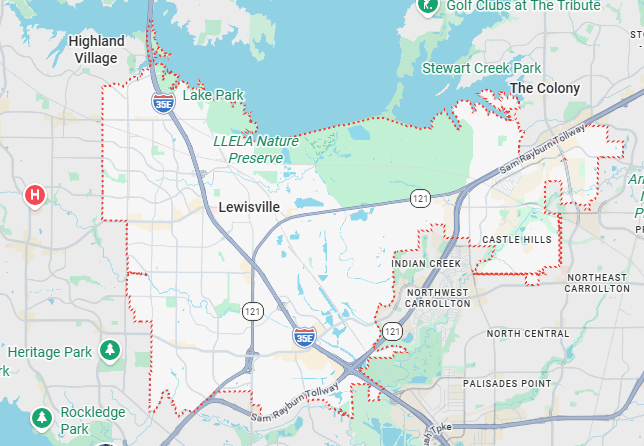
Tribeca offers legal funding statewide, including the following cities and towns near you:Legal Landscape in Lewisville That Affects Funding
Fault Laws
Texas follows a modified comparative fault system under Tex. Civ. Prac. & Rem. Code § 33.001. You can recover damages as long as you’re found less than 51% at fault. Your compensation is reduced proportionally by your share of fault. If you’re found 51% or more responsible, you recover nothing. For lawsuit funding purposes, cases where liability is clearly on the other party are stronger candidates for approval.
Statute of Limitations
Personal injury lawsuits in Texas must be filed within two years of the injury under Tex. Civ. Prac. & Rem. Code § 16.003. Miss that window and your case is barred, which also means no settlement to fund against. If your case is approaching that deadline or was recently filed, it’s worth applying sooner rather than later to preserve your eligibility for pre-settlement funding.
Insurance Minimums
Texas requires drivers to carry at least 30/60/25 in auto liability coverage under Tex. Transp. Code § 601.072. That’s $30,000 per person, $60,000 per accident, and $25,000 for property damage. In serious injury cases, these minimums often fall short of actual damages, which affects how much is available for recovery and can influence the funding amount Tribeca offers.
Restrictions or Limitations
Texas has no statute specifically regulating pre-settlement legal funding, so there are no state-imposed restrictions on the types of personal injury cases eligible for pre-settlement funding. However, cases involving weak liability, unclear fault, or defendants unable to pay may be declined. Workers’ compensation cases in Texas can be complex, depending on the employer’s opt-out status, so those are reviewed on a case-by-case basis.
Get Lawsuit Funding in These States
Types of Cases We Fund in Lewisville
Tribeca funds a wide range of personal injury litigation in Lewisville. If you have an active case and legal representation, you may qualify. Auto accidents
 Slip and fall injuries
 Product liability
 Premises liability
 Workers' compensation cases
 Medical malpractice
 Wrongful death
Benefits of Choosing Tribeca Lawsuit Loans in Lewisville
Lewisville plaintiffs working through personal injury litigation face real financial pressure. Tribeca’s pre-settlement funding is built around removing that pressure without adding new risk.
- No credit check and no employment verification required; your case is the only thing that matters
- Funding delivered within 24 hours of approval
- Non-recourse structure means you repay nothing if you lose
- Simple interest, not compound; the cost doesn’t snowball over time
- No upfront fees or out-of-pocket costs to apply
- Works directly with your attorney so the process doesn’t disrupt your case
- Funding up to $2 million, depending on case value
If your personal injury case in Lewisville is moving slowly and the bills aren’t, Tribeca can help bridge that gap. Call us at 866-388-2288 or apply online at tribecalawsuitloans.com to get started today.
How Does Texas’s Modified Comparative Fault Rule Affect My Ability to Get a Lawsuit Loan in Lewisville?
Texas follows the 51% modified comparative fault rule under Tex. Civ. Prac. & Rem. Code § 33.001. If you’re 51% or more at fault, you recover nothing. That’s where your lawsuit loan eligibility dies. Tribeca funds are based on your case’s likelihood of winning, so a recovery that goes to zero means no advance.
But if you’re 50% or under at fault, you can still recover, just reduced by your fault percentage. Tribeca can still fund you in that scenario. The stronger your liability argument, the better your approval odds.
Frequently Asked Questions About Lawsuit Loans
How fast can I receive funding in Lewisville?
Once your application is reviewed and approved, Tribeca sends your pre-settlement funding within 24 hours. The review process depends on how quickly your attorney can provide case details, but most applicants move through it fast.
Does my credit score matter?
No. Tribeca doesn’t run a credit check. Your credit history, employment status, and income aren’t factors in the approval decision. The only thing that matters is the strength of your pending case.
What happens if I lose my case?
Nothing. Tribeca’s lawsuit loans are non-recourse, meaning you have no repayment obligation if your case is lost or dismissed. The risk is entirely on Tribeca’s side.
Is this a loan or a cash advance?
It’s structured as a non-recourse cash advance against your future settlement, not a traditional loan. Because repayment is contingent on winning, it doesn’t function like consumer debt and doesn’t show up on your credit report.
Can I request more funding later?
Yes. If your case takes longer than expected or your financial needs increase, you can apply for additional funding. Each request is reviewed based on your case’s current status and remaining settlement value.
How does repayment work?
Repayment comes directly out of your settlement when your case resolves. Your attorney handles the disbursement. You don’t write a check; it’s deducted from what you receive before the rest reaches your hands.
Will this affect my relationship with my attorney?
It shouldn’t. Tribeca works alongside your legal counsel, not around them. Your attorney remains in control of your case strategy. The funding is a financial tool for you, not a factor in how your case is handled.
Are all injury types eligible for funding in Lewisville?
Most personal injury cases qualify, including auto accidents, slip and falls, medical malpractice, product liability, and wrongful death. Cases are reviewed individually, and eligibility depends on case strength and the defendant’s ability to pay, not the injury type alone.
Get Started Today
For injury victims looking for pre-settlement loans for class action, motor vehicle accidents, medical malpractice, and other personal injury cases, fill out this form for a free consultation and quote. Get cash as soon as 24 hours of approval."*" indicates required fields