
Lawsuit loans in Conroe, Texas
Get Cash While Your Case SettlesA serious injury turns everyday finances upside down, and Conroe plaintiffs often wait months or years before their case resolves. Medical bills, rent, and daily costs keep arriving, whether the case is moving or not.
Texas lawsuit loans from Tribeca provide pre-settlement funding so residents can cover those expenses now and hold out for a settlement that reflects what their case is actually worth.
- Repay $0 If You Lose
- Get Cash In 48 Hours
- Lowest Rate
- Repay $0 If You Lose
- No Credit Check
- 24hr Funding


What a Tribeca Lawsuit Loan in Conroe Can Help You With
Tribeca places no restrictions on how Conroe plaintiffs spend their pre-settlement funding. Once approved, the money covers whatever financial pressure has built up during litigation.
Housing and Living Costs
When a serious injury cuts off income, monthly obligations keep arriving. Conroe plaintiffs use lawsuit funding to cover mortgage or rent payments, utility bills, groceries, and transportation costs, helping them stay financially stable throughout their case.
Medical Bills and Ongoing Treatment
Injury-related medical bills can accumulate quickly, and ongoing physical therapy or specialist visits add to that pressure. A lawsuit loan can help Conroe residents continue receiving care without interruption while their personal injury case is still pending.
Debt Management
Litigation can drag on for months. Plaintiffs who fall behind on credit cards, personal loans, or other obligations can use pre-settlement funding to stay current and avoid the compounding damage of missed payments.
Strategic Legal Advantage
Low settlement offers arrive when plaintiffs can least afford to say no. A settlement loan from Tribeca gives Conroe plaintiffs the resources to reject low early offers and wait for a settlement that reflects the true value of their case.
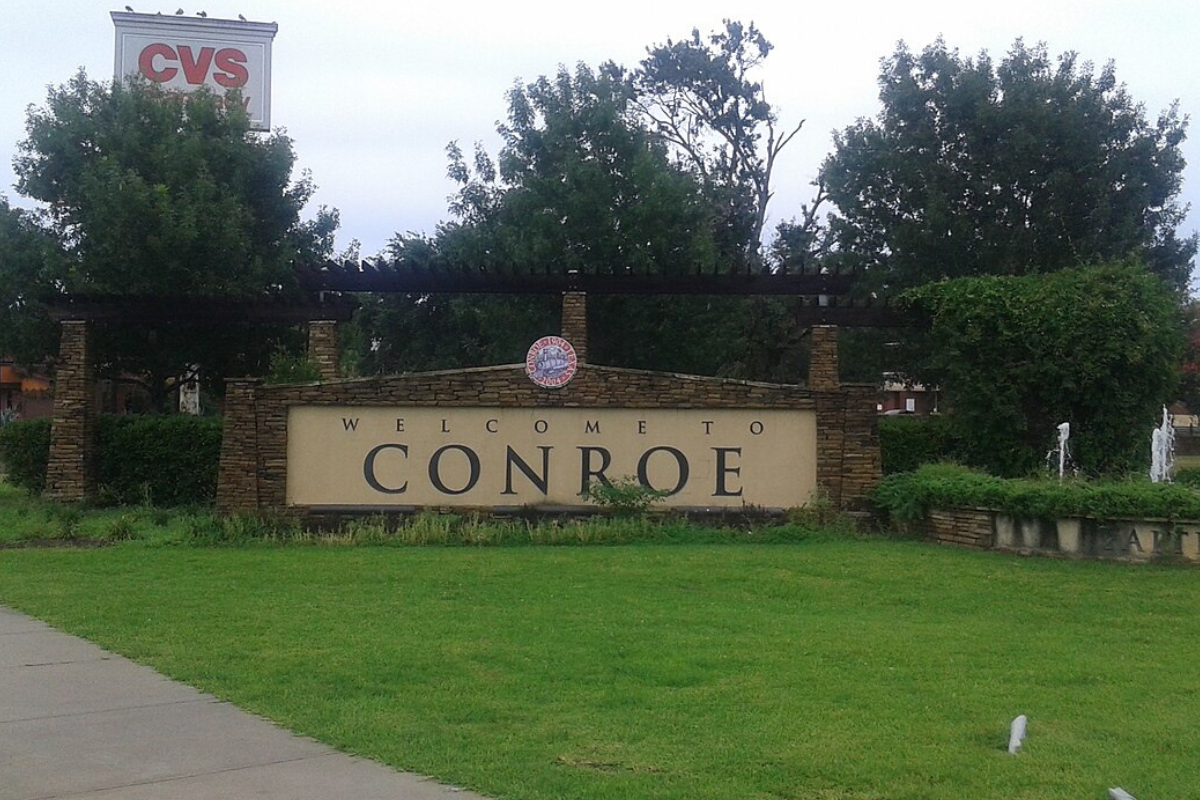
How to Apply for a Lawsuit Loan in Conroe
Applying for legal funding through Tribeca takes minutes. The application is straightforward, and Tribeca moves quickly once case details are in hand.
-
1
Fill Out an Application
Submit the online form with your case details. Tribeca does not run a credit check, so financial history plays no role in the process.
-
2
Review Your Case
Tribeca will review the application to confirm the case meets eligibility standards under Texas law and contact your attorney to verify case details and confirm funding terms.
-
3
Get Approved and Funded
Approved applicants receive their pre-settlement funding within 24 hours. The money can go toward medical bills, living expenses, legal costs, or other essential costs.
Do You Qualify for a Lawsuit Loan in Conroe?
Qualifying for a Conroe lawsuit loan does not depend on credit score, employment status, or income history. Tribeca’s approval process focuses entirely on the merits of the case.
Active Personal Injury Case
Applicants must have a pending lawsuit underway. Pre-settlement funding is structured as an advance against an anticipated settlement, so there must be an active case for Tribeca to evaluate.
Legal Representation
A qualified attorney must represent the plaintiff. Attorney representation is standard practice in the legal funding process and provides Tribeca with the case information needed to make a funding decision.
Strong Case Viability
The lawsuit must show a reasonable likelihood of success. Tribeca reviews the evidence, the nature of the injury, the legal theory, and other factors that indicate whether a settlement or court award is probable.
Transparency and Documentation
Applicants must provide honest, complete information about their case. Medical records, legal filings, and proof of the opposing party’s liability are the types of documentation that help Tribeca assess the case accurately.
Defendant’s Capacity to Pay
The opposing party or their insurer must have the ability to pay damages. Cases where the defendant has no realistic means of compensation present a higher risk and may not qualify for funding.
Credit Score and Financial Status
Tribeca does not run a credit check or require proof of employment or income history. Your financial situation has no bearing on the approval decision. The only factor that matters is the strength of your case.
Apply Today
"*" indicates required fields
Avoiding Undervalued Offers in Conroe
Insurance companies operating in Conroe understand one thing well: financially stressed plaintiffs are more likely to accept early, low settlement offers. When someone cannot pay rent or cover medical bills, a quick cash offer can feel like the only option, even if it falls far short of what the case is worth.
The Cost of Financial Desperation
Accepting a settlement out of financial necessity rather than as part of a legal strategy is one of the most common ways Conroe plaintiffs leave money on the table. The first offer from an insurer is rarely the best one. Without breathing room, plaintiffs lose the ability to negotiate.
Financial Breathing Room Changes Everything
Pre-settlement funding enables Conroe plaintiffs to cover immediate expenses while litigation continues. When basic financial needs are met, plaintiffs and their attorneys can take the time to build a stronger case, gather additional evidence, and negotiate from a position of stability rather than desperation.
Non-Recourse Funding Removes the Risk
Tribeca’s pre-settlement funding is non-recourse. That means if the case is lost, the plaintiff owes nothing. The non-recourse structure makes this type of legal funding fundamentally different from a personal loan, and it removes the financial risk that might otherwise discourage a plaintiff from holding out for fair compensation.
Lawsuit Funding Availability in Texas (TX)
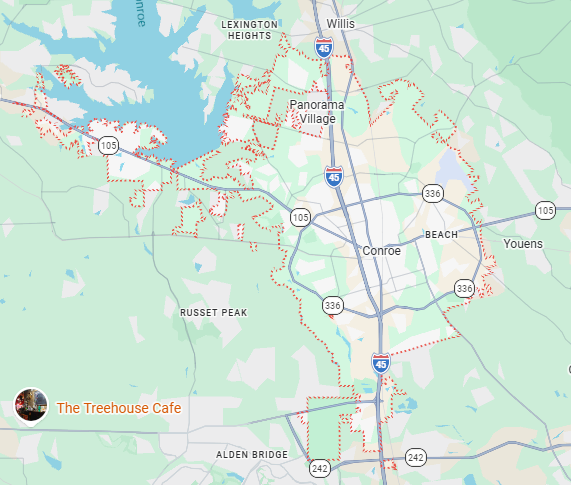
Tribeca offers legal funding statewide, including the following cities and towns near you:Legal Landscape in Conroe That Affects Funding
Conroe is located in Montgomery County, and personal injury claims in Conroe are governed by Texas state law. Several key legal rules shape the value of a case and the time window available to pursue it.
| Fault System | Texas follows modified comparative fault under Section 33.001. Plaintiffs can recover only if their share of fault is 50% or less, with damages reduced proportionally. |
| Statute of Limitations | Personal injury claims must be filed within two years of the injury date under Section 16.003. Missing this deadline typically bars the claim entirely. |
| Insurance Minimums | Texas requires minimum liability coverage of $30,000 per person and $60,000 per accident for bodily injury, plus $25,000 for property damage, under Section 601.072. |
| Restrictions | Cases with unclear liability, an insolvent defendant, or no active litigation may not qualify. Government defendant claims carry additional procedural requirements under Section 101.101. |
Get Lawsuit Funding in These States
Types of Cases We Fund in Conroe
Tribeca funds a broad range of personal injury and civil litigation cases for Conroe plaintiffs. Each case type below is reviewed on its own merits. Auto Accidents
 Slip and Fall Injuries
 Workers' Compensation Cases
 Medical Malpractice
 Wrongful Death
 Product Liability
 Premises Liability
Benefits of Choosing Tribeca Lawsuit Loans in Conroe
Tribeca has built its process around the reality that Conroe plaintiffs need money now, not months from now. Conroe lawsuit funding from Tribeca includes several features that distinguish it from other legal funding companies in the area.
- Funding in as little as 24 hours after approval, with a straightforward application that requires no credit check
- Flat-rate fee model with no compounding interest, so the cost of funding does not spiral over time
- Non-recourse structure: if the case is lost, the plaintiff owes nothing and keeps the funds already received
- No employment verification or income documentation required, making funding accessible to plaintiffs who cannot work due to their injuries
- Up to $2 million available, with funding amounts tied to the projected value of the case rather than personal finances
- Direct, transparent communication with your legal counsel throughout the review and funding process
Ready to apply? Contact Tribeca or start your application online to find out how much your Conroe case may qualify for.
Can I Get a Pre-Settlement Advance in Conroe if My Personal Injury Case is Being Handled on a Contingency Fee Basis?
Yes. Tribeca requires representation by a contingency-based attorney as a condition of funding. A contingency fee arrangement means the attorney collects a percentage of the settlement rather than charging an upfront fee. Tribeca’s advance sits alongside that agreement. When the case resolves, the attorney disburses funds to cover both the contingency fee and Tribeca’s repayment from the settlement proceeds.
Frequently Asked Questions About Lawsuit Loans in Conroe
How fast can I receive funding in Conroe?
Approved applicants typically receive their funds within 24 hours. The speed depends largely on how quickly case information is available from your attorney. Most Conroe applicants who have their documentation ready move through the process quickly.
Does my credit score affect my application?
No. Tribeca does not run a credit check or review employment or income history. Approval is based entirely on the strength of your personal injury case. Conroe plaintiffs with poor credit or no employment can still qualify.
What happens if I lose my case?
You owe nothing. Tribeca’s pre-settlement funding is non-recourse, which means you repay only if you win. If the case is lost or dismissed, you keep the funds, and Tribeca absorbs the loss.
Is this a loan or an advance?
It is a non-recourse cash advance, not a traditional loan. The term “settlement loan” is common, but this product differs from a conventional personal loan in that repayment applies only when the plaintiff recovers compensation.
Can I request additional funding later?
Yes. If the case remains active and the projected settlement supports it, Conroe plaintiffs may request additional funding after the initial advance. Each additional request is reviewed the same way as the original application.
How does repayment work?
When your case settles, or a court issues an award, your attorney deducts the repayment amount directly from the proceeds. You make no out-of-pocket payments during litigation. Repayment happens entirely at case resolution.
Will this affect my relationship with my attorney?
No. Tribeca works alongside your attorney, not against them. Legal counsel is involved in the case review, and the attorney handles disbursement at settlement. Tribeca has no influence over legal strategy or how the case is handled.
Are all personal injury cases eligible for funding in Conroe?
Not all cases qualify for funding in Conroe. Tribeca reviews personal injury and civil litigation cases, including auto accidents, slip-and-fall injuries, medical malpractice, wrongful death, and product liability. Cases with disputed liability, an insolvent defendant, or insufficient supporting evidence may not meet the eligibility threshold.
The best way to find out is to submit an application and let Tribeca assess the specifics.
Get Started Today
For injury victims looking for pre-settlement loans for class action, motor vehicle accidents, medical malpractice, and other personal injury cases, fill out this form for a free consultation and quote. Get cash as soon as 24 hours of approval."*" indicates required fields