
Lawsuit Loans in McKinney, Texas
Get Cash While Your Case SettlesMcKinney residents facing personal injury cases often struggle with mounting expenses while waiting for fair compensation.
Texas lawsuit loans provide essential financial support to cover pressing costs, such as medical bills and living expenses, during litigation. This funding allows plaintiffs to pursue accountability without the burden of immediate financial shortcomings, giving injury victims the stability needed to focus on their recovery and legal case rather than overwhelming money concerns.
- Repay $0 If You Lose
- Get Cash In 48 Hours
- Lowest Rate
- Repay $0 If You Lose
- No Credit Check
- 24hr Funding


What a Tribeca Lawsuit Loan in McKinney Can Help You With
Pre-settlement funding through Tribeca gives McKinney plaintiffs the financial flexibility to maintain stability while their case progresses. These funds can be used for various essential needs without restriction.
Living Costs and Daily Expenses
Mortgage payments, rent, utilities, and food costs don’t stop during litigation. A lawsuit loan in McKinney helps you keep up with these necessary expenses while awaiting your settlement, preventing a financial crisis during an already difficult time.
Medical Bills and Ongoing Treatment
Personal injury cases often involve significant medical expenses. Whether you’re dealing with emergency care bills, ongoing physical therapy, or prescription costs, pre-settlement funding ensures you can continue necessary treatment without delay or financial strain.
Debt Management
Many McKinney plaintiffs fall behind on existing debts while unable to work. Litigation funding can help you keep up with credit card and car payments, as well as other obligations, protecting your financial standing as your case moves toward resolution.
Strategic Legal Advantage
Financial pressure often forces plaintiffs to accept inadequate settlement offers. With lawsuit funding, you gain the breathing room to let your attorney negotiate properly, ensuring you’re not forced into premature decisions that undervalue your claim.
How to Apply for a Lawsuit Loan in McKinney
The process of applying for legal funding through Tribeca is simple and fast. Our process is designed to help you get the support you need quickly while ensuring compliance with McKinney’s specific regulations.
-
1
Fill Out an Application
Just fill out the form and provide your case details. No credit check is required, which means you can apply without worrying about your credit history.
-
2
Review Your Case
Tribeca will review your case to ensure everything aligns with Texas state laws and McKinney jurisdiction requirements.
In Texas, lawsuit funding companies typically work directly with your attorney to verify case details and projected settlement value. Your legal counsel will be contacted to confirm case information, and most McKinney attorneys are familiar with this process since pre-settlement funding is well-established in Texas.
-
3
Get Approved & Funded
Once approved, we’ll send over your pre-settlement funding within 24 hours to cover medical bills, legal fees, or other essential costs without delay.
Do You Qualify for a Lawsuit Loan in McKinney?
Qualifying for legal funding in McKinney depends on specific case factors rather than your personal financial situation. Here’s what matters when seeking a settlement loan.
Active Personal Injury Lawsuit
You must have a pending lawsuit already filed or in active negotiation. Pre-settlement funding is an advance against your anticipated compensation, so an active case is essential for approval.
Legal Representation
A qualified attorney must represent you in your McKinney personal injury case. Your legal counsel plays a crucial role in the funding process by providing case details and settlement projections.
Viable Case with Strong Evidence
Your lawsuit must demonstrate a high likelihood of success. This means having compelling evidence that establishes liability, such as accident reports, medical records, witness statements, and documentation connecting your injury to another party’s negligence.
Financial Capacity of the Defendant
The at-fault party or their insurance company must have the ability to pay damages. Even a strong case won’t qualify for litigation funding if there’s no realistic path to collecting compensation.
No Credit Check or Income Requirements
Unlike traditional loans, your credit score, employment status, and income history don’t affect approval. The only things that matter for McKinney lawsuit loans are the strength and projected value of your case.
Apply Today
"*" indicates required fields
Avoiding Premature Settlements in McKinney
Financial desperation is one of the leading reasons plaintiffs accept undervalued settlement offers. When medical bills pile up, and income stops due to injury, even inadequate compensation can seem tempting.
Financial Breathing Room
Pre-settlement funding provides the financial stability needed to reject insufficient initial offers. Insurance companies often present low settlements early, hoping plaintiffs will accept out of financial necessity. With litigation funding, McKinney residents can afford to wait for fair compensation that truly reflects their damages.
Improved Negotiating Position
When you’re not under immediate financial pressure, your attorney can negotiate from a position of strength. This often results in significantly higher settlement amounts, as insurers recognize you won’t be forced into accepting their first offer.
Non-Recourse Protection
This funding is non-recourse, meaning there’s no repayment obligation if your case is lost. You only repay the advance from your settlement proceeds if you win, so there’s no personal financial risk in securing the funds you need to pursue maximum compensation.
Get Lawsuit Funding in These States
Legal Landscape in McKinney That Affects Funding
Understanding McKinney’s legal environment helps clarify how personal injury cases and lawsuit funding work in this jurisdiction. Texas law establishes specific frameworks that influence both litigation timelines and settlement values.
Fault Laws
Texas follows a modified comparative negligence system with a 51% bar rule. If you’re found more than 50% responsible for your injury, you cannot recover damages. If you’re 50% or less at fault, your compensation is reduced proportionally.
This fault system directly impacts settlement valuations in McKinney cases, as defendants often argue comparative negligence to reduce their liability. Strong evidence establishing the other party’s fault becomes critical for maximizing your case value and qualifying for litigation funding.
Statute of Limitations
Personal injury lawsuits in McKinney must generally be filed within two years from the date of injury. This deadline is strictly enforced by Texas courts with limited exceptions.
The statute of limitations matters for lawsuit funding because cases approaching this deadline may have less time for negotiation, potentially affecting settlement strategies. Plaintiffs seeking pre-settlement funding should be aware of their filing deadline to ensure their case remains viable throughout the funding and litigation process.
Insurance Minimums
Texas requires minimum auto insurance coverage of $30,000 per person for bodily injury, $60,000 per accident for bodily injury, and $25,000 for property damage. These relatively low minimums can limit available compensation in McKinney auto accident cases, particularly when injuries are severe.
Many defendants carry only minimum coverage, which affects case valuation and funding amounts. Cases involving serious injuries may require pursuing the at-fault driver’s personal assets beyond insurance limits.
Restrictions or Limitations
Pre-settlement funding in McKinney is available for most personal injury case types, though certain cases may not qualify. Workers’ compensation claims in Texas have specific restrictions, as these cases follow a different legal framework than traditional personal injury litigation. Additionally, cases with no clear liable party or insufficient evidence of damages may not meet funding criteria regardless of case type.
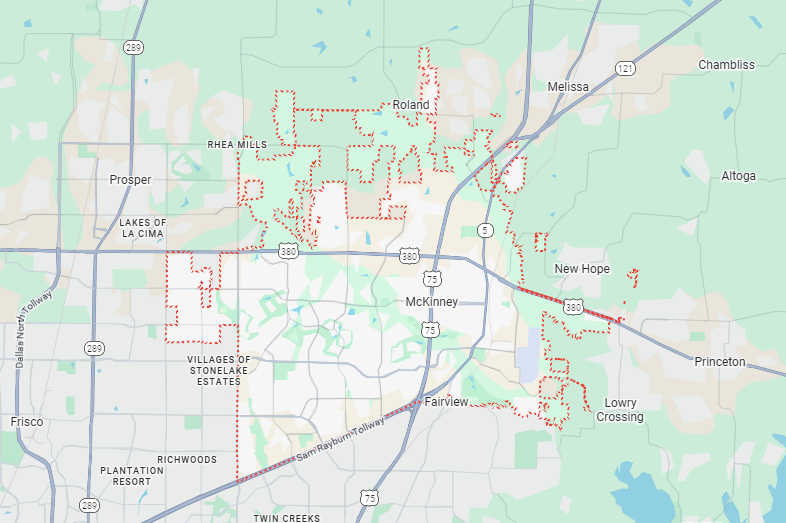
Lawsuit Funding Availability in Texas (TX)
Tribeca offers legal funding statewide, including the following cities and towns near you:Types of Cases We Fund in McKinney
Tribeca provides Texas lawsuit loans for various case types in which plaintiffs need financial support during litigation. Here are the most common categories we fund in McKinney. Auto Accidents
 Slip and Fall Injuries
 Workers' Compensation Cases
 Medical Malpractice
 Wrongful Death
 Product Liability
 Premises Liability
Benefits of Choosing Tribeca Lawsuit Loans in McKinney
Tribeca offers McKinney plaintiffs a straightforward path to financial stability during litigation. Our approach focuses on speed, transparency, and risk-free structure designed around your needs.
- Fast approval and funding. We understand that financial pressure doesn’t wait, which is why we process applications quickly and deliver funds within 24 hours of approval. This rapid turnaround helps McKinney residents address urgent expenses without long waits.
- No credit check required. Your credit score and financial history don’t factor into our approval process. We evaluate only your case strength and projected settlement value, making legal funding accessible regardless of your credit situation.
- Simple interest structure. Unlike some litigation funding companies, we charge simple interest rather than compound interest. This transparent approach means your repayment amount grows more slowly, helping you retain more of your settlement.
- Non-recourse protection. If your case doesn’t result in compensation, you owe nothing. This removes personal financial risk and allows you to pursue justice without fear of additional debt if your lawsuit is unsuccessful.
- No employment verification needed. Many McKinney plaintiffs are unable to work due to their injuries. We don’t require proof of employment or income, recognizing that personal injury cases often prevent a person from engaging in normal work activities.
- Flexible fund usage. Once approved, you control how the money is spent. Whether you need to cover medical expenses, housing costs, or daily living needs, pre-settlement funding from Tribeca gives you the flexibility to address your most pressing financial concerns.
Apply today or contact us to discuss the specific funding options for your claim.
Can I Avail More Than Two Pre-Settlement Funding from Different Companies?
While you can seek additional funding as your case progresses, pre-settlement contracts typically stipulate that you cannot hold multiple agreements from different lenders simultaneously.
If you already have a cash advance from another provider but require more support, Tribeca can often buy out the loan from your first lender. This moves your funding under our name, allowing us to provide the additional capital you need, up to $1,000,000 or more, depending on your case.
Frequently Asked Questions About Lawsuit Loans in McKinney
How fast can I receive funding in McKinney?
Once your application is approved, Tribeca typically sends funds within 24 hours. The timeline depends on how quickly we can review your case details with your attorney, but most McKinney residents receive their pre-settlement funding within one to two business days of initial approval.
Does my credit score matter?
No, your credit score doesn’t affect approval for lawsuit loans in McKinney. We evaluate only the strength and projected value of your personal injury case. Even if you have poor credit or past financial difficulties, you can still qualify for litigation funding based solely on your lawsuit’s merit.
What happens if I lose my case?
You owe nothing if your case is unsuccessful. This is non-recourse funding, meaning repayment only comes from your settlement or judgment proceeds. If you don’t receive compensation, Tribeca absorbs the loss, and you keep the money you received with no personal repayment obligation.
Is this a loan or an advance?
Legally, it’s a non-recourse cash advance against your anticipated settlement rather than a traditional loan. The distinction matters because loans require repayment regardless of outcome, while this funding is only repaid from your case proceeds if you win.
Can I request additional funding later?
Yes, many McKinney plaintiffs request additional funding as their case progresses. If your financial needs increase or your case takes longer than expected, you can apply for supplemental advances. Approval depends on the remaining case value and settlement projections.
How does repayment work?
Repayment happens automatically from your settlement proceeds when your case resolves. Your attorney will disburse the amount owed to Tribeca directly from the settlement funds before you receive your portion. The repayment includes the original advance plus accrued interest based on how long your case took to resolve.
Does this impact my relationship with my attorney?
No, lawsuit funding doesn’t change your attorney-client relationship. Your lawyer continues to represent your best interests and make strategic legal decisions. We work alongside your legal counsel, not in place of them, and most McKinney attorneys are familiar with how pre-settlement funding operates.
Are all injuries eligible for funding in McKinney?
Most personal injury cases qualify, but funding depends on case strength and projected settlement value. Minor injuries with limited damage may not meet funding thresholds, and certain case types may be subject to restrictions. Workers’ compensation cases and claims without clear liability may be ineligible depending on specific circumstances.
Get Started Today
For injury victims looking for pre-settlement loans for class action, motor vehicle accidents, medical malpractice, and other personal injury cases, fill out this form for a free consultation and quote. Get cash as soon as 24 hours of approval."*" indicates required fields