
Lawsuit Loans in Rialto, California
Get Cash While Your Case SettlesA personal injury case in Rialto can take months, sometimes years, to resolve, and the financial weight of that wait falls squarely on the plaintiff.
A California lawsuit loan from Tribeca is built for exactly that gap: giving injured residents access to pre-settlement funding now, so the pace of litigation doesn't dictate how you pay your bills.
- Repay $0 If You Lose
- Get Cash In 48 Hours
- Lowest Rate
- Repay $0 If You Lose
- No Credit Check
- 24hr Funding

What a Tribeca Lawsuit Loan in Rialto Can Help You With
Life in Rialto doesn’t slow down because your lawsuit is still open. Pre-settlement funding gives plaintiffs a way to meet those demands head-on, without waiting for a settlement that could still be months away.
Keeping Up With Housing and Living Costs
A lawsuit loan can cover rent or mortgage payments, utility bills, groceries, and other everyday costs that don’t wait for legal timelines to resolve.
Medical Bills and Unfinished Treatment
Many Rialto plaintiffs are still in recovery when they apply for a settlement loan, and the bills that accompany ongoing care can be relentless. Pre-settlement funding ensures that out-of-pocket medical costs don’t force you to pause or abandon treatment.
Getting on Top of Debt
If debt has accumulated (credit cards, borrowed money, unpaid bills), legal funding can help you get ahead of it before the situation spirals further during an already difficult litigation period.
Strengthening Your Position at the Negotiating Table
Plaintiffs who are struggling financially rarely have the luxury of waiting for a better offer. With funding in place, you and your attorney can evaluate settlement offers on their actual merit.

How to Apply for a Lawsuit Loan in Rialto, CA
There are no lengthy intake forms or drawn-out approval timelines standing between Rialto plaintiffs and the funding they need. Tribeca’s process is deliberately straightforward.
-
1
Fill Out an Application
Complete Tribeca’s online application with your basic case details. It takes only a few minutes and requires no credit check whatsoever.
-
2
Review Your Case
Tribeca’s team assesses your claim against California’s legal standards and the specific landscape of personal injury litigation in Rialto. Your attorney is an active participant in this stage to evaluate the strength and eligibility of your case.
-
3
Get Approved & Funded
Once approval comes through, your pre-settlement funding is on its way within 24 hours. No delays, no upfront costs, and no restrictions on how the money gets used.
Do You Qualify for a Lawsuit Loan in Rialto, CA?
Rialto plaintiffs are often surprised by how accessible pre-settlement funding is, because the criteria bear no resemblance to what a bank or lender would require. Qualification is built around your case, not your finances.
An Active Personal Injury Lawsuit
Because this is an advance against a future settlement, there needs to be an active legal case with a realistic prospect of recovery before funding can be issued.
Representation by a Licensed Attorney
Your attorney’s involvement is non-negotiable. Tribeca works directly with legal counsel during the review stage to gather case details and confirm the claim’s strength.
A Claim Supported by Evidence
Tribeca evaluates whether your case has the substance to support funding, including whether the defendant has the financial capacity to satisfy a judgment or settlement. Strong cases have medical records, legal filings, and a well-supported theory of fault.
Honest and Transparent Case Details
Accurate information, shared openly by you and your attorney during the application process, helps Tribeca move through the review process efficiently.
Apply Today
"*" indicates required fields
Why Rialto Plaintiffs Should Think Twice Before Settling Early
The pressure to settle quickly is real, but the cost of giving in to that pressure can follow you for years. Understanding what drives early settlements and how to avoid them is one of the most important advantages a Rialto plaintiff can have.
Insurers Make Early Offers for a Reason
When an insurance company puts a quick offer on the table, it’s rarely out of generosity. Early offers are calculated. They arrive when plaintiffs are most financially exposed and most likely to accept less than their case is actually worth just to get immediate relief.
Financial Stability Changes What You’re Willing to Accept
Pre-settlement legal funding removes the urgency that makes low offers tempting. When your housing is covered, and your medical care is funded, an early lowball offer is much easier to decline.
Non-Recourse Funding Means No Downside if You Lose
Every lawsuit loan issued through Tribeca is non-recourse. If your case doesn’t result in a recovery, the advance doesn’t need to be repaid. The risk of an unsuccessful case belongs to Tribeca, and your personal finances remain untouched.
Lawsuit Funding Availability in California (CA)
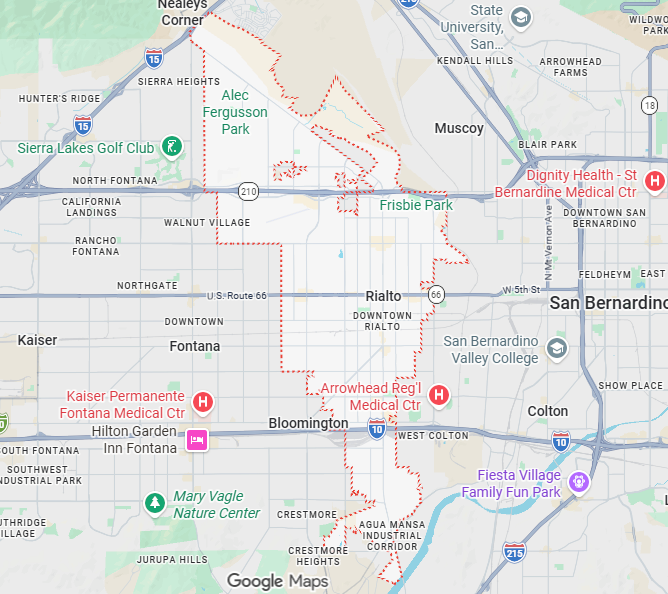
Tribeca offers legal funding statewide, including the following cities and towns near you:Legal Landscape in Rialto That Affects Funding
Rialto is located in San Bernardino County, and personal injury cases here are governed by California state law. The rules governing fault, deadlines, and insurance coverage all directly shape a case’s value.
| Average Tribeca Funding Per Case | Tribeca can provide anywhere from $500 to $2 million in funding |
| Average CA Pre-settlement Funding | 7% to 10% of the estimated value of the case |
| Fault Laws in California | Pure Comparative Negligence, which means the plaintiff’s compensation is reduced by their % of fault. |
| Statute of Limitations in California | Personal Injury: 2 years from the injury date
Property Damage: 3 years from the date the damage occurred |
| Minimum CA Auto Liability Coverage | Bodily Injury: $30,000 per person
Bodily Injury: $60,000 for more than one person Property Damage: $15,000 |
| Minimum CA Uninsured/Underinsured Motorist (UIM) Liability Coverage | Bodily Injury: $30,000 per person
Property Damage: $3,500 |
Get Lawsuit Funding in These States
Types of Cases We Fund in Rialto, CA
Tribeca funds personal injury litigation across a broad range of case types in Rialto, from the most common road accident claims to complex multi-party disputes. If your case is active and you have counsel in your corner, it's worth finding out whether you qualify. Personal injury
 Labor law
 Whistleblowers
 Qui Tam
 Medical malpractice
 Sexual abuse
 Civil rights litigation
 Wrongful Death litigation
 Commercial litigation
Benefits of Choosing Tribeca Lawsuit Loans in Rialto
Rialto plaintiffs have options when it comes to legal funding companies in California. But not all of them operate at the same speed, with the same transparency, or with the same plaintiff-first structure that Tribeca brings to every case.
- Funds in 24 hours. Advances are transferred within one business day of approval.
- No credit check, no exceptions. Approval is case-driven, not credit-driven.
- Simple interest only. Tribeca’s straightforward interest model means your repayment amount grows predictably.
- Non-recourse funding. A lost case means no repayment obligation, no collections, and no personal financial exposure.
- Nothing due upfront. There are no fees to pay before you receive your funding.
- Up to $2 million available. Advances are scaled to the projected value of your case, with funding available up to $2M.
Can Rialto Plaintiffs Get Pre-Settlement Funding for Cases Filed in San Bernardino County Superior Court?
Yes. The court where your case is filed doesn’t affect funding eligibility. Tribeca evaluates the strength of the underlying claim, not its venue.
That said, San Bernardino County Superior Court’s caseload and scheduling can influence how long litigation takes to resolve, which affects how long a funding advance accrues interest.
Frequently Asked Questions About Lawsuit Loans in Rialto, CA
How fast can I get funded in Rialto?
After your application is submitted and your attorney provides the relevant case documentation, approved applicants typically receive their pre-settlement funding within 24 hours. Turnaround depends primarily on how quickly your attorney can get the necessary information to Tribeca’s review team.
Does my income or credit history affect whether I qualify?
Neither plays any role. Tribeca doesn’t run credit checks and doesn’t consider income, employment status, or financial history in its evaluation. Eligibility is determined by the strength of your personal injury case, and nothing else.
What if my case is lost or dismissed?
If your lawsuit doesn’t result in a settlement or favorable judgment, you owe Tribeca nothing. Non-recourse funding means the financial outcome of your case is the determining factor, and a loss means the obligation disappears entirely.
How is this different from a traditional loan?
A traditional loan requires repayment regardless of circumstances. Tribeca’s pre-settlement funding is non-recourse, meaning repayment occurs only if your case produces a recovery. That fundamental difference makes it a distinct financial product.
Can I get a second advance if my case drags on longer than expected?
In many situations, yes. If your initial funding runs low before your case is resolved, a follow-up application may be possible. Eligibility for additional funding depends on where your case currently stands and how the existing advance compares to the projected settlement value.
How is repayment handled when my case resolves?
Repayment is drawn from your settlement proceeds and is typically coordinated through your attorney. The principal, interest, and fees are deducted first, and what remains is yours. Your attorney can review the repayment figures with you before you commit to any funding agreement.
Will taking a lawsuit loan create any friction with my attorney?
No. Your attorney’s role in Tribeca’s process is limited to providing case information during review. The funding arrangement doesn’t alter the attorney-client relationship or influence how your case is handled in any way.
What types of cases don't qualify for funding in Rialto?
Cases with weak or unclear liability, very low projected damages, or defendants without the financial means to pay are less likely to qualify. Beyond that, most personal injury case types, including auto accidents, slip-and-fall, wrongful death, and product liability, are within scope for review.
Get Started Today
For injury victims looking for pre-settlement loans for class action, motor vehicle accidents, medical malpractice, and other personal injury cases, fill out this form for a free consultation and quote. Get cash as soon as 24 hours of approval."*" indicates required fields